Aurora Nurhidayah Rifani
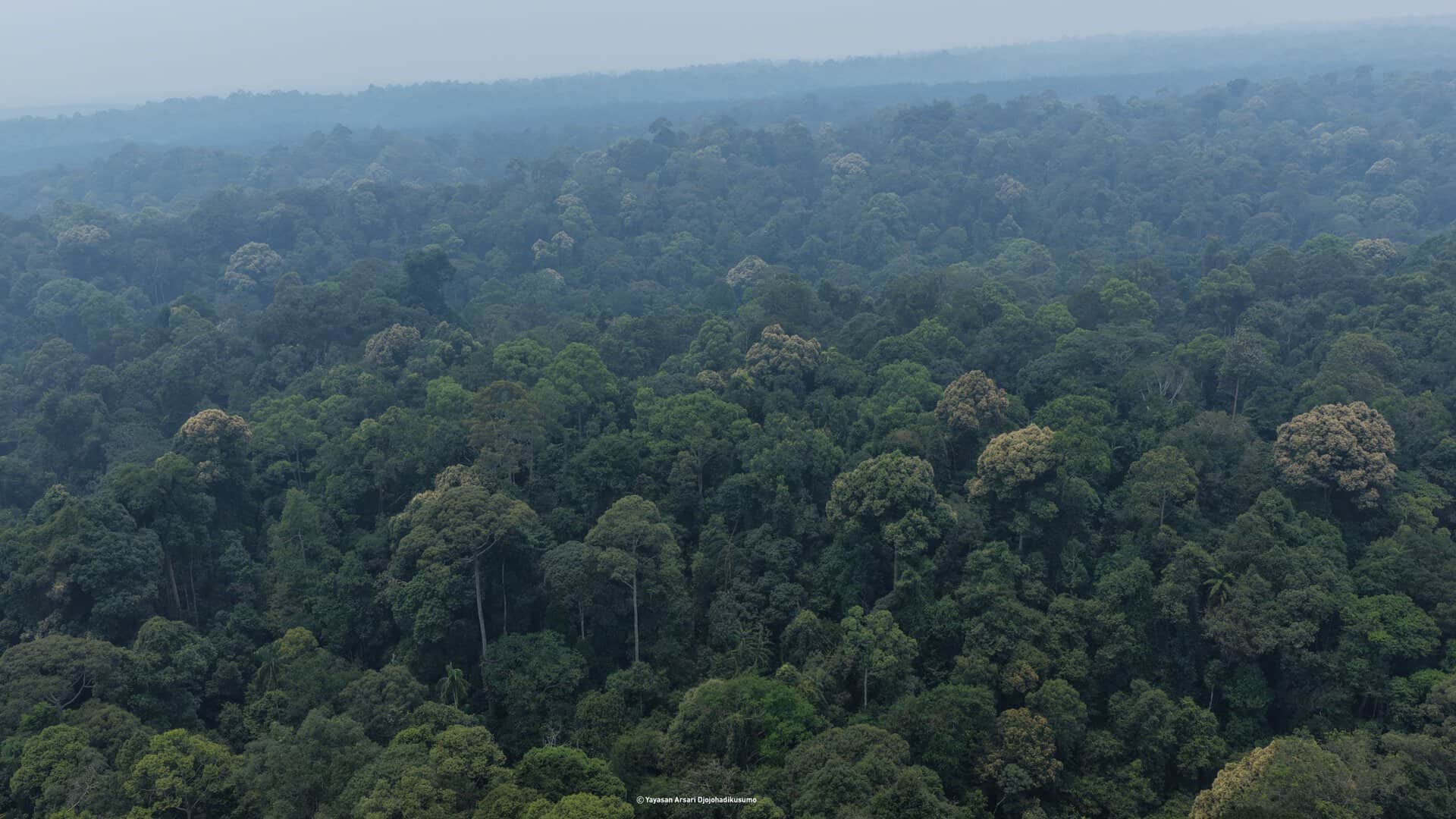
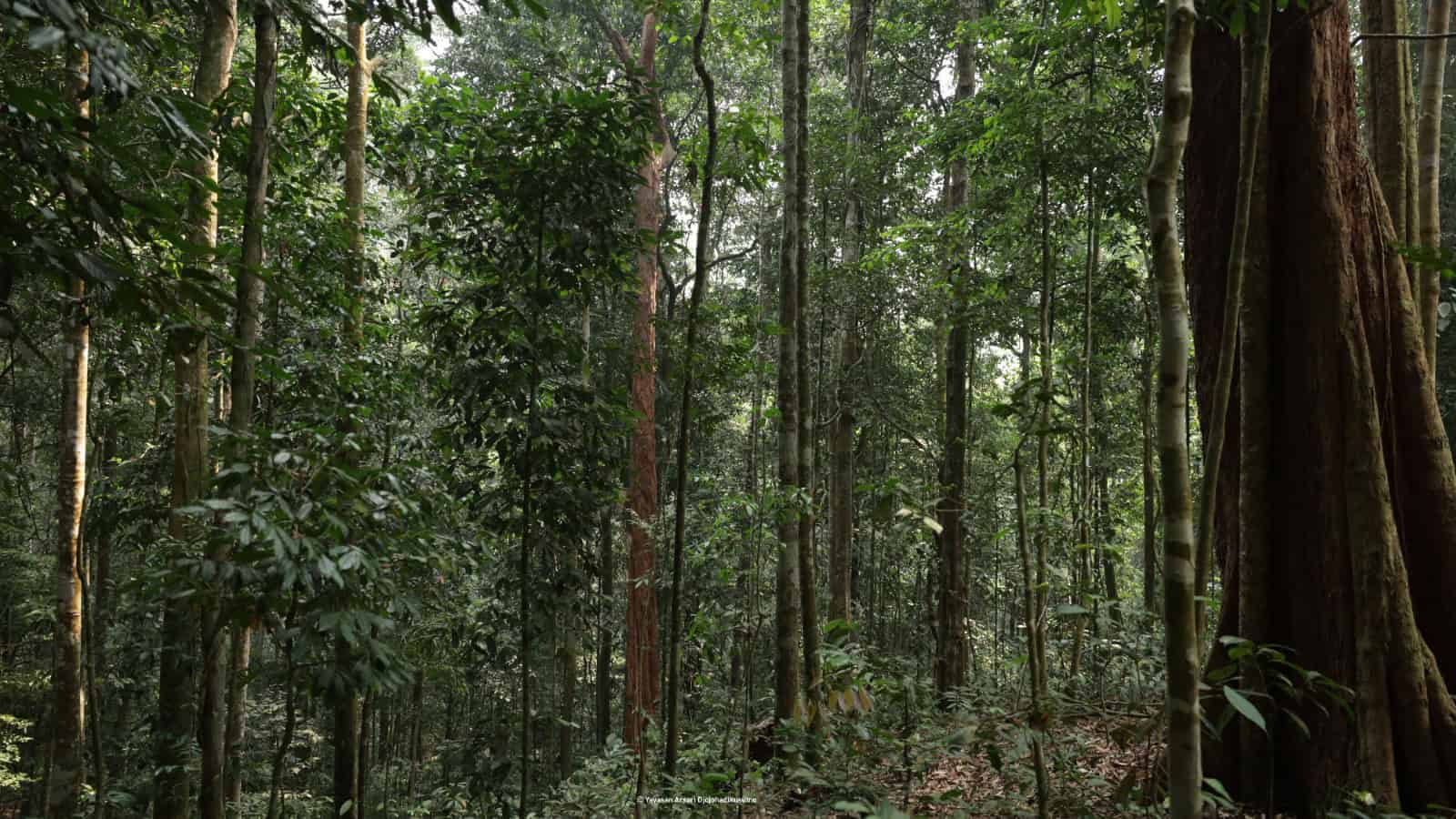
A forest is more than a collection of trees forming a green landscape. It is a living space where plants, wildlife, microorganisms, and ecological processes are interconnected. Biodiversity encompasses diversity at the genetic, species, and ecosystem levels, together sustaining the continuity of life.
Indonesia is one of the countries with exceptionally rich biodiversity. This wealth also carries a responsibility to safeguard the landscapes and ecosystems that provide habitats for a wide range of life. In conversation management, reliable data and information on the condition of an area, its habitats, and wildlife are essential to understanding changes and informing appropriate management measures.
Protecting a conservation area, therefore, goes beyond maintaining forest cover. Regular monitoring is necessary to understand habitats conditions, wildlife presence, human activities, and potential threats. In the field, this involves a range of activities, including patrols, monitoring, inventories, documentation, and reporting.
Understanding the Area Through Field Data
One of the areas managed within the activities of the Sumatran Tiger Rehabilitation Centre (Pusat Rehabilitasi Harimau Sumatera or PRHSD) Arsari, in collaboration with PT Tidar Kerinci Agung (TKA), is the Prof. Sumitro Djojohadikusumo Conservation Area (AKPSD). Covering approximately 2,400 hectares, the area provides habitat for a wide range of flora and fauna and contains ecosystems that require long-term protection and management.
The size of the area makes regular monitoring an important part of its management. Through patrols, the team monitors the condition of the area while recording biodiversity observations made in the field.
Animal tracks, direct wildlife encounters, sign of animal activity, habitat conditions, and other changes observed along the way all provide valuable information. Each observation contributes to a broader understanding of how the area changes over time.
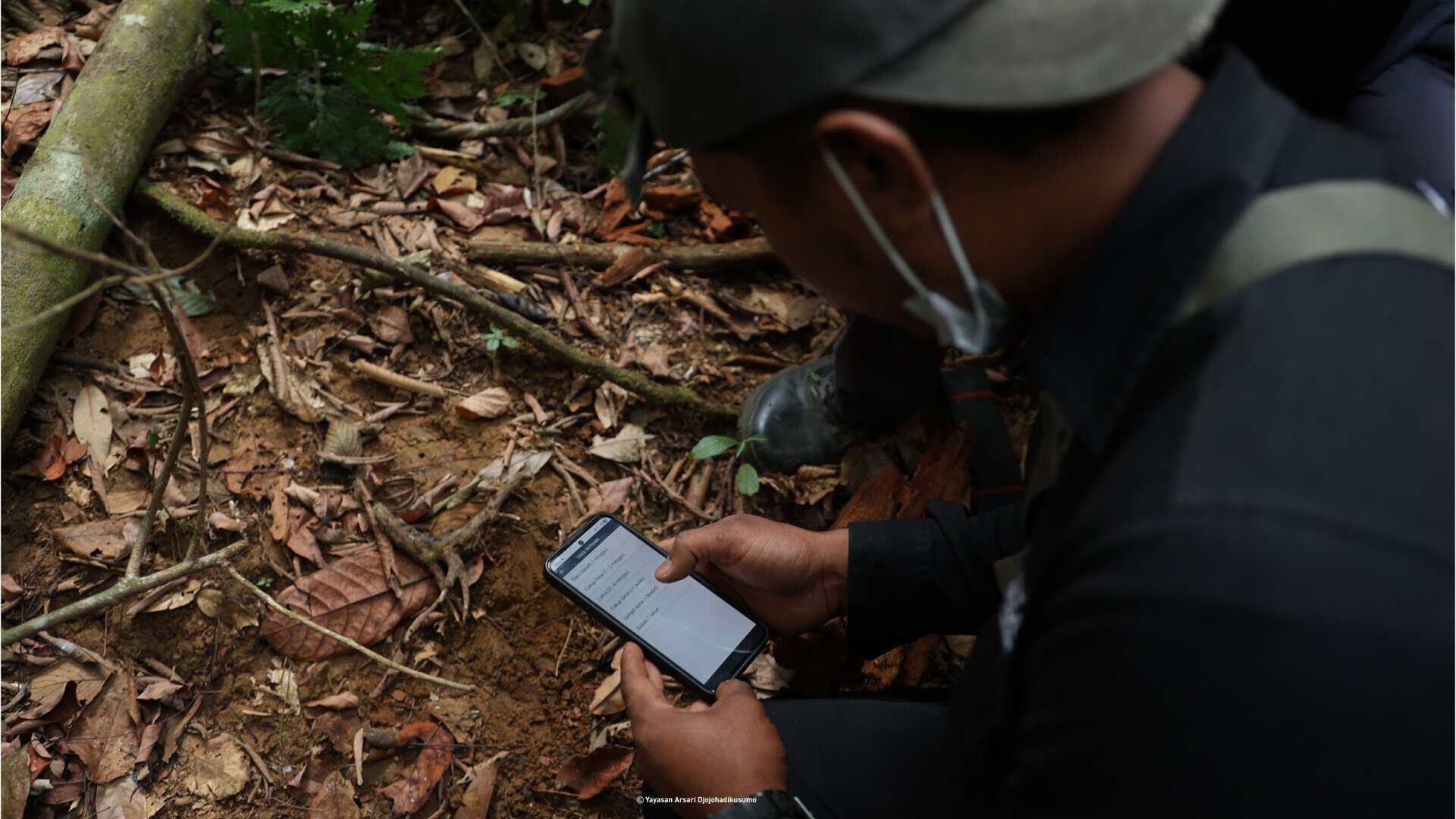
During patrols, the PRHSD Arsari team uses the Spatial Monitoring and Reporting Tool (SMART) Patrol to support the systematic collection, documentation, and management of field data. The information gathered contributes to an understanding of the condition of AKPSD and supports further management decisions.
In this way, patrols are not simply about ensuring that the area remains protected. They are also a means of recognising and understanding the life that exists within the forest.
Seeing the Diversity Within the Forest
Monitoring activities in AKPSD also provide insight into the diversity of species that depend on the area as their habitat.
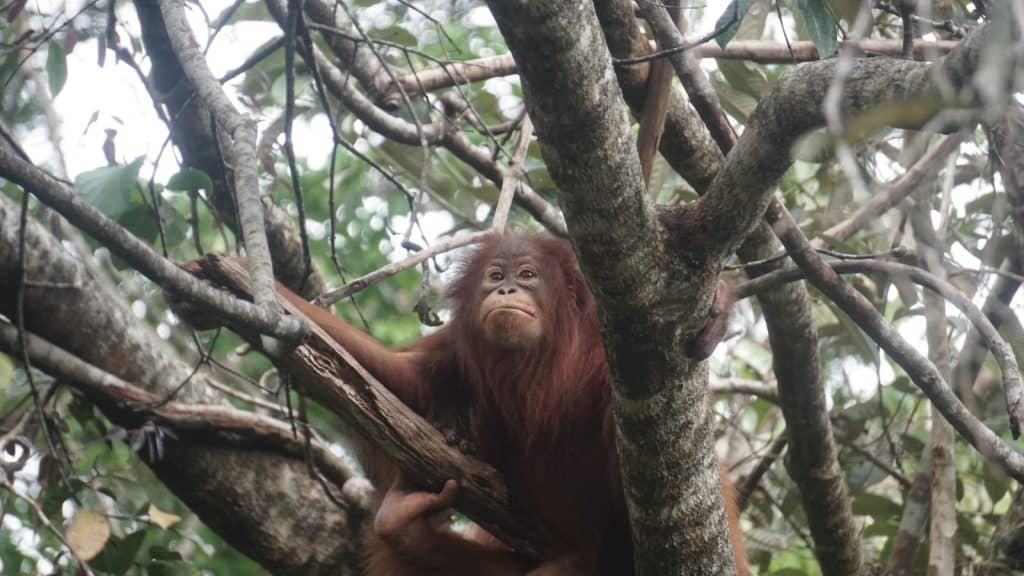
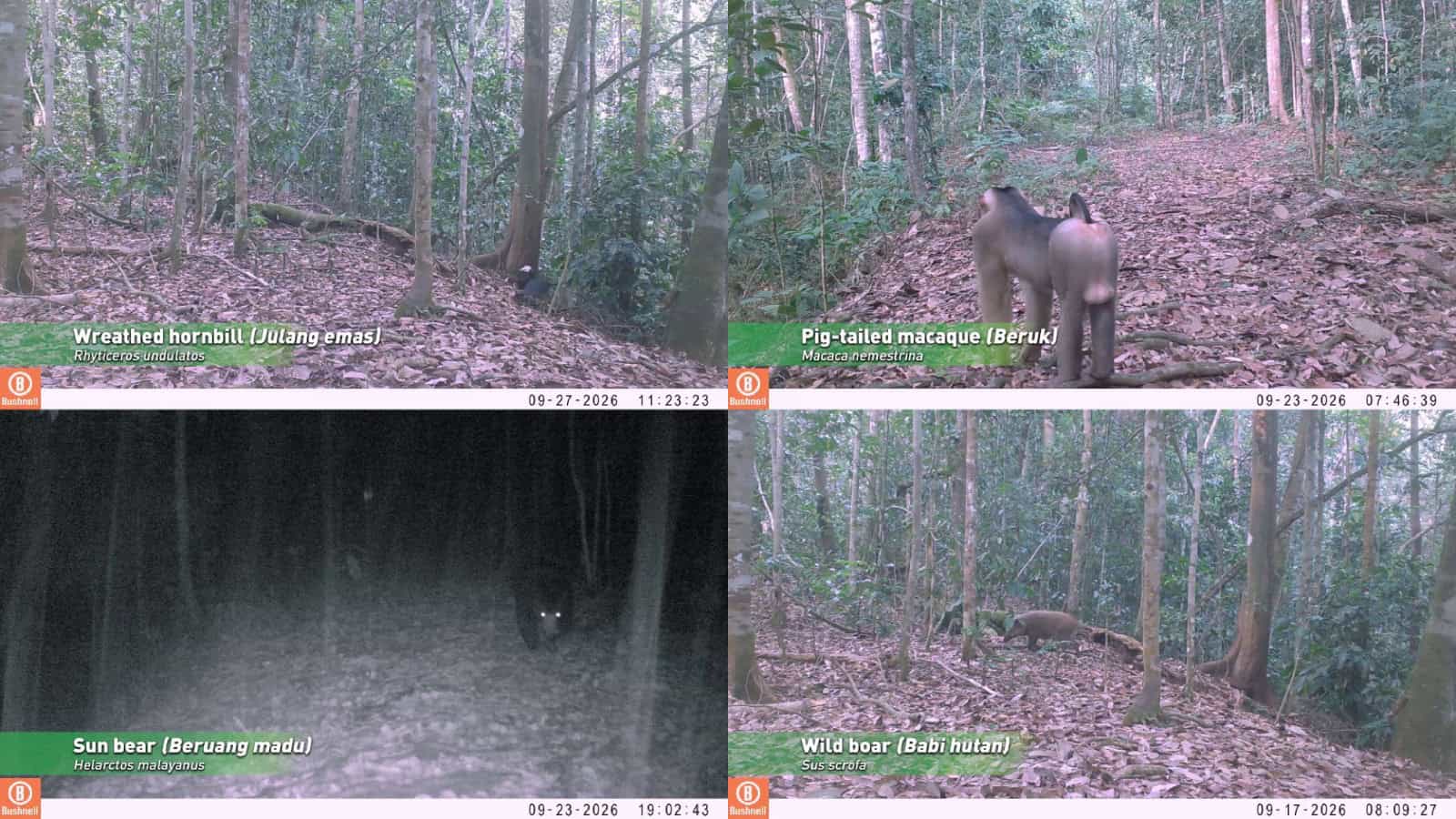
A number of mammal species have been recorded in the area, including Malayan tapirs, Sumatran tigers, sun bears, dhole, and various primate species. The area also supports considerable avian diversity. Based on biodiversity surveys conducted from 2023 to present, 80 bird species (Aves) have been recorded in AKPSD.
The present of these different species reflects the complex ecological relationships within a forest. Each species has distinct habitat requirements, while its presence forms part of the wider dynamics of the ecosystem.
Understanding biodiversity, therefore, is not simply a matter of knowing which species are present. Information about where animals are found, signs of their activities, and condition of the surrounding habitat also helps build a more complete understanding of the area.
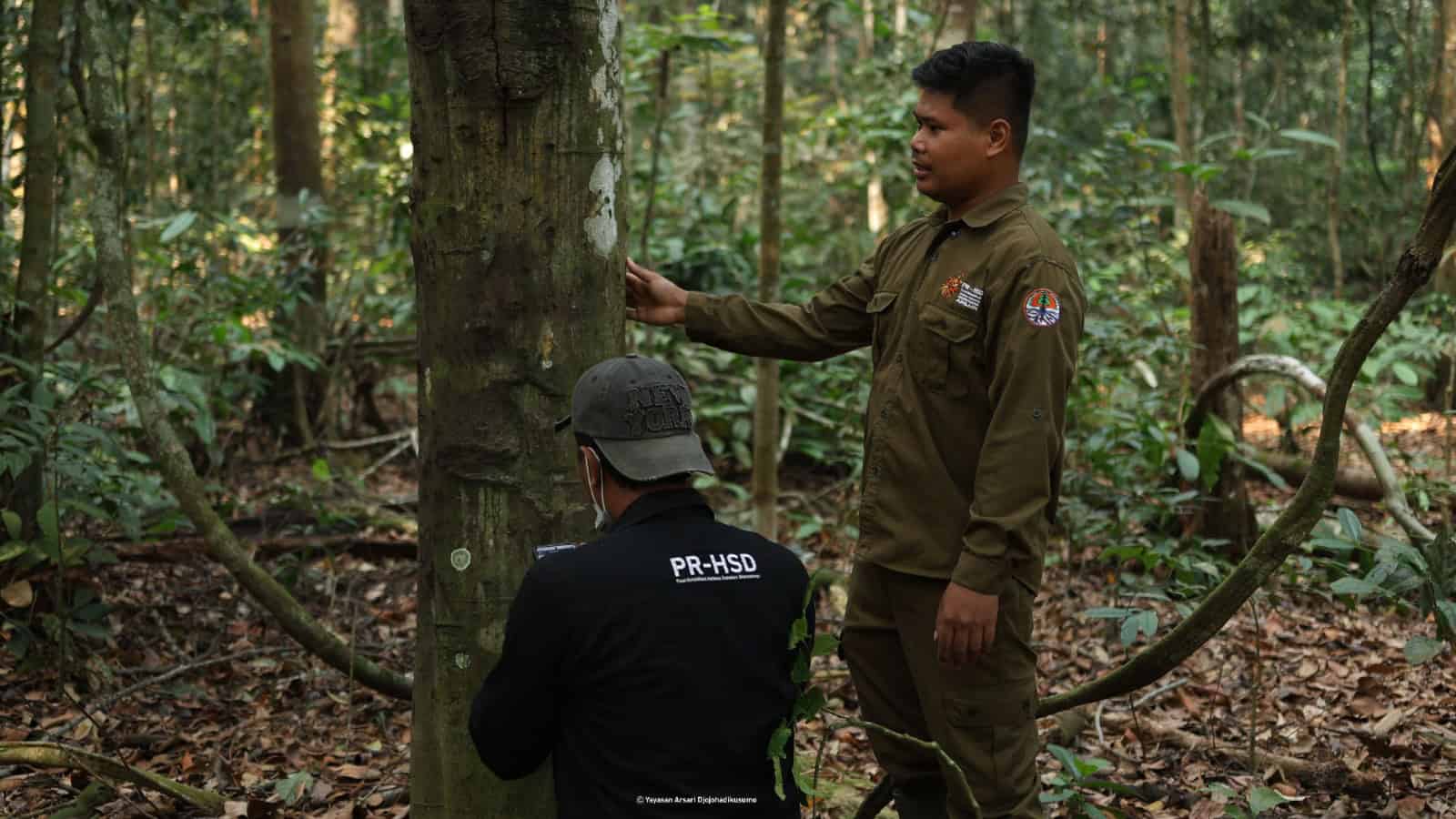
Camera Traps: Observing Life Beyond Direct Sight
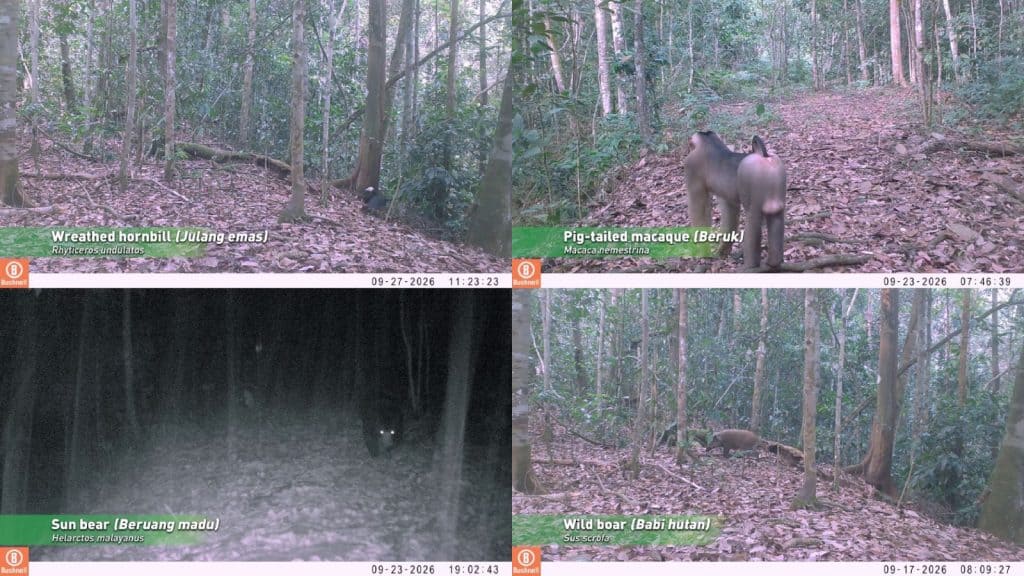
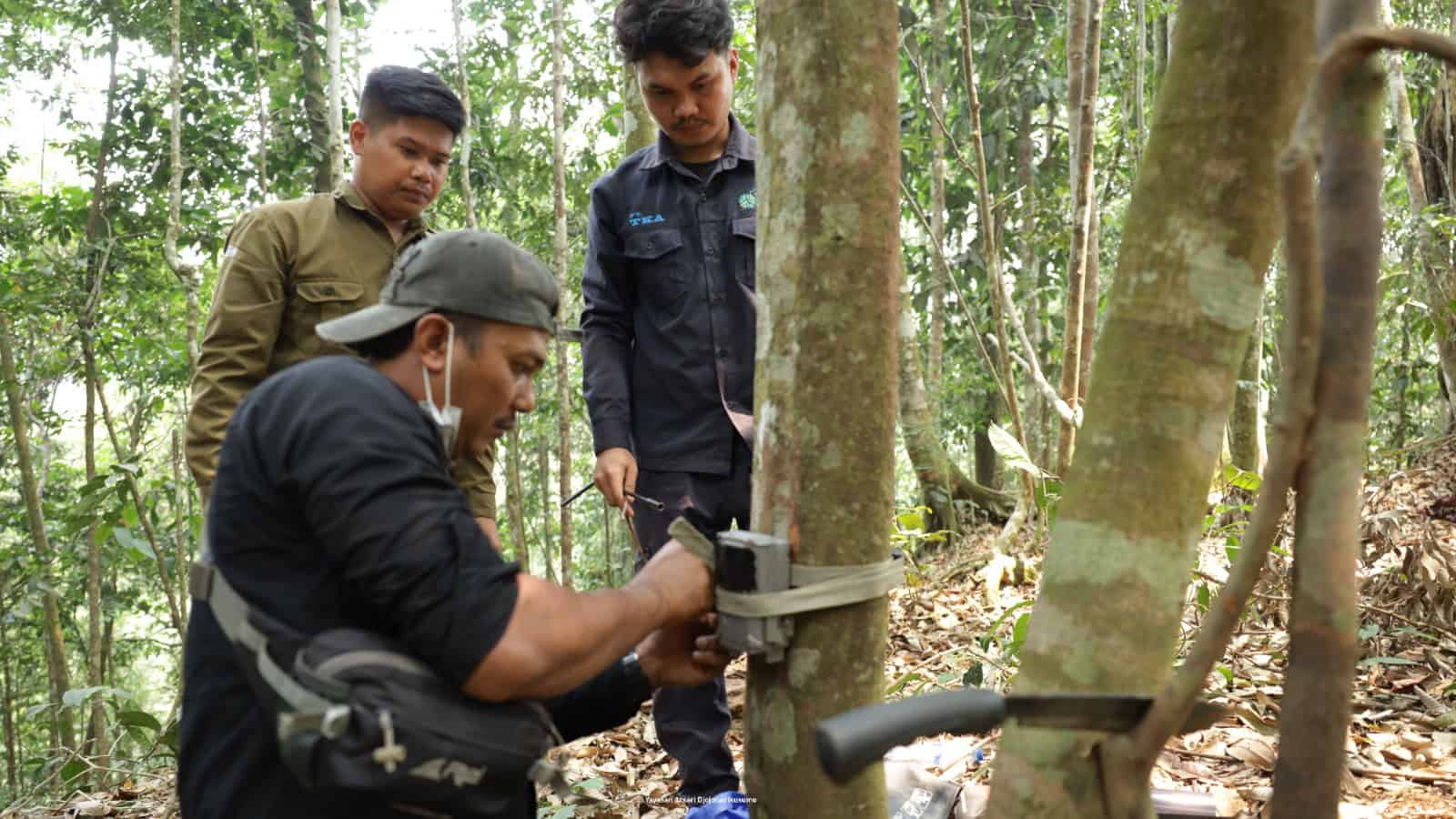
Not all wildlife can be observed directly. Some species are difficult to encounter during patrols because of their behaviour and movements. To complement field monitoring, the PRHSD Arsari team installs camera traps at selected locations throughout AKPSD.
Camera traps help capture the presence and activities of wildlife over time, including species that are rarely observed directly. The resulting footage forms an important part of the area’s biodiversity monitoring data.
While patrols provide observations of the landscape through direct field activities, camera traps offer another perspective: a glimpse into wildlife activity when people are not present.
Together, these methods complement one another. Alongside SMART Patrol and biodiversity surveys, they contribute to a more comprehensive understanding of the condition of the area and the life it supports.
Protecting the Area by Understanding It
Managing a conservation area is ultimately not only about protecting a defined piece of land. It is also a process of understanding the life and ecological relationships that exist within it.
Through regular patrols, biodiversity surveys, SMART Patrol, and camera trapping, PRHSD Arsari continues to gather information about AKPSD. These efforts contribute to a better understanding of habitat conditions, wildlife presence, and the dynamics of the ecosystem.
This work complements PRHSD Arsari’s principal 3R approach—Rescue, Rehabilitation, and Release—in support of Sumatran tiger conservation. At the same time, the management of AKPSD places broader attention on the habitat that sustains Sumatran tigers and other wildlife.
Because protecting wildlife also means protecting the places where they live.
And protecting their habitat means understanding the forest as a whole—with all the life, relationships, and ecological processes that take place within it.
For Arsari foundation, conservation is part of a broader responsibility to safeguard biodiversity and environmental sustainability. In AKPSD, this responsibility is reflected through the ongoing management of the area based on observation, data collection, and a continued understanding of the forest.
Ultimately, every track observed, every animal captured on camera, and every piece of data collected is more than a field record. Together, they form part of an effort to understand the forest more deeply—so that it can continue to serve as a living space for generations to come.