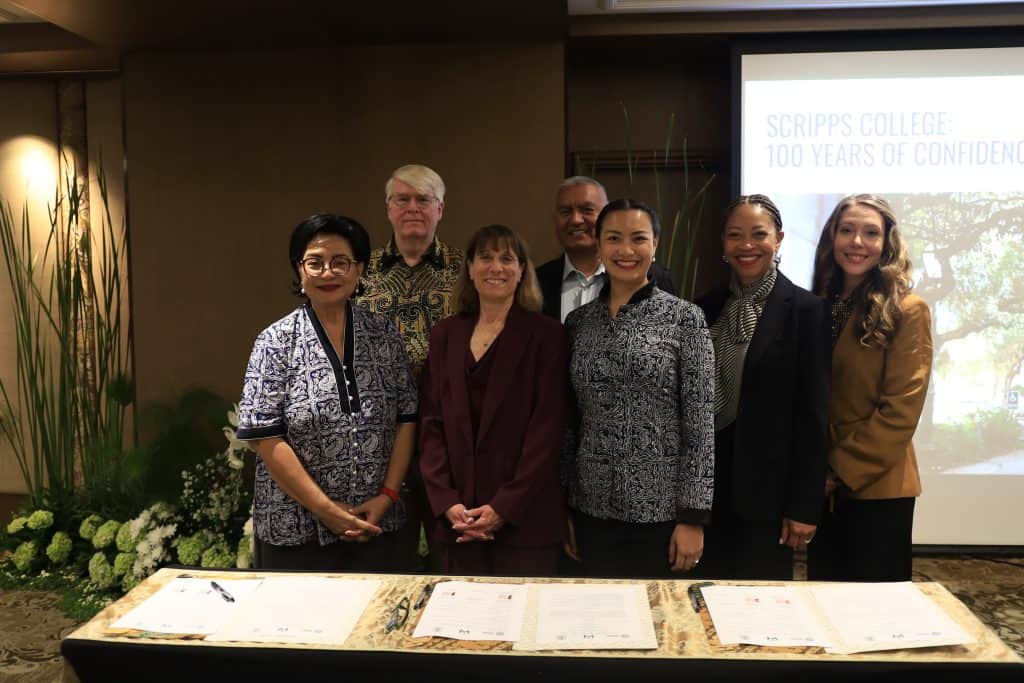
Education does not always take place within the walls of a classroom. Some forms of knowledge emerge when a person is present within a community, observes the environment firsthand, listens to the experiences of others, and takes part in activities that hold meaning for everyday life.
This understanding forms one of the foundations of the collaboration between Yayasan Arsari Djojohadikusumo (YAD), Yayasan Wadah Titian Harapan (Wadah), and Scripps College. The meeting between these three institutions, however, also has a more personal and historical context.
The Djojohadikusumo family has an established connection with the Scripps College community. This connection has a particularly close dimension through S. Indrawati Djojohadikusumo, YAD Deputy Chairwoman and also an alumna of Scripps College. This background became one of the starting points that opened the way for conversations about a potential collaboration between YAD, Wadah, and Scripps College.
Those conversations gradually developed into a shared interest in creating meaningful learning experiences for students while building an institutional relationship that could grow over the long term. One of its first concrete forms is a community-based volunteer programme in Indonesia.
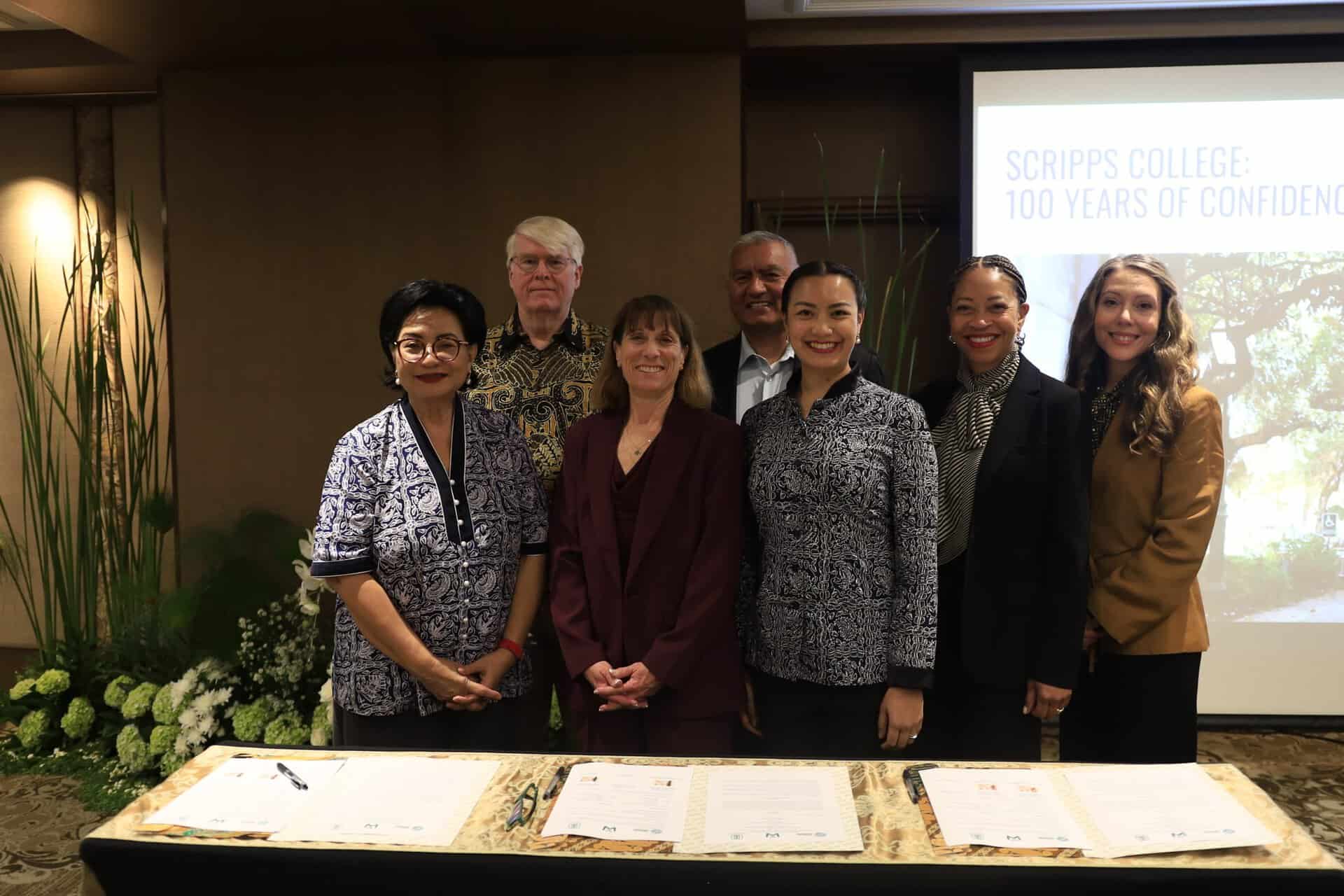
The collaboration was formalised through a Memorandum of Understanding (MoU) entitled Partnership Agreement for Community Based Volunteer Program, which took effect on 9 February 2026. Through this MoU, Scripps College and the two foundations have established a framework for a community-based volunteer programme that provides students with direct learning experiences while supporting environmental sustainability and community development within partner communities in Indonesia.
When Education Meets Field Experience
Scripps College is a private liberal arts college located in Claremont, California, United States, with a commitment to women’s education and an interdisciplinary approach encompassing the arts, humanities, social sciences, and natural sciences. Wadah focuses on community empowerment through education, health, and economic development, while YAD supports programmes in education, social services, and environmental conservation, and culture.
Although the three institutions operate in different areas, they share a common interest creating practical learning experiences, strengthening cross-cultural understand, and encouraging mutual learning between institutions and communities.
Through this collaboration, Scripps College students can gain hands-on experience in community development activities in Indonesia. The experience serves not only as an extension of their academic education, but also as an opportunity to understand firsthand how communities respond to different circumstances and develop approaches that are relevant to their local environments.
At the same time, living and working within Indonesian communities give students the opportunity to broaden their understanding of cultures, ways of life, and social contexts that may differ from those of their home environment. Leaning therefore takes place not only through academic knowledge, but also through direct engagement with communities and the environment.
Three Institutions, Complementary Roles
The collaboration between YAD, Wadah, and Scripps College is built upon complementary roles. YAD and Wadah provide the environment and direct support needed for the programme. The two foundations are responsible for identifying suitable locations based on the student’s skills, interests, and academic requirements, while also facilitating introduction to community partners and relevant local stakeholders.
Through its various programmes, YAD provides opportunities for students to engage with areas including education, social development, the environment, and culture. Wadah brings its experience in community development through programmes in education, health, and economic development.
The involvement of both foundations gives students the opportunity to gain a closer understanding of how work takes place in the field, including how programmes are developed and implemented in consideration of local contexts and community needs.
Scripps College, meanwhile, plays a role in the student’s selection, preparation, and academic support. The College conducts an initial screening and recommends students who meet the required qualifications, ensures that academic and administrative requirements are fulfilled, provides pre-departure preparation, and maintains communication with YAD and Wadah throughout the programme.
This division of responsibilities makes the collaboration more than simply a student placement. Each institution has a role to play in ensuring that the student’s experience is meaningful and well supported, while also contributing to a process of mutual learning.
One Student, A Shared Space for Learning
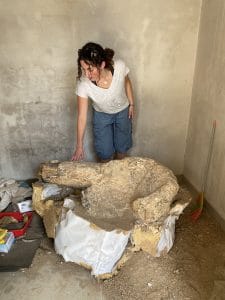
One concrete form of implementing the MoU is the participation of a student volunteer from Scripps College. The participating student is placed in activities mutually agreed upon by the parties, taking into consideration programme needs, the student’s interest and abilities, and relevant academic requirements.
Through this placement, the student gains practical experience in community development activities in Indonesia. Yet the experience extends beyond technical skills. Direct interaction with community becomes an important part of developing cross-cultural understanding and global competencies. Being in an unfamiliar environment encourages students to listen, understand local contexts, appreciate the costumes and values of the communities they encounter, and adapt to ways of working that may differ from the previous experiences.
Through this process, students do not simply learn about Indonesian communities. They are also given an opportunity to reflect on the knowledge, values, and perspectives they bring their own academic and cultural backgrounds. The participation of one student also represents an initial step towards mutual learning among the three institutions. The experience gained in the field can become a space for exchanging perspectives, understanding the needs of each party, and laying the foundation for longer-term institutional collaboration.
Communities and the Environment as Spaces for Learning
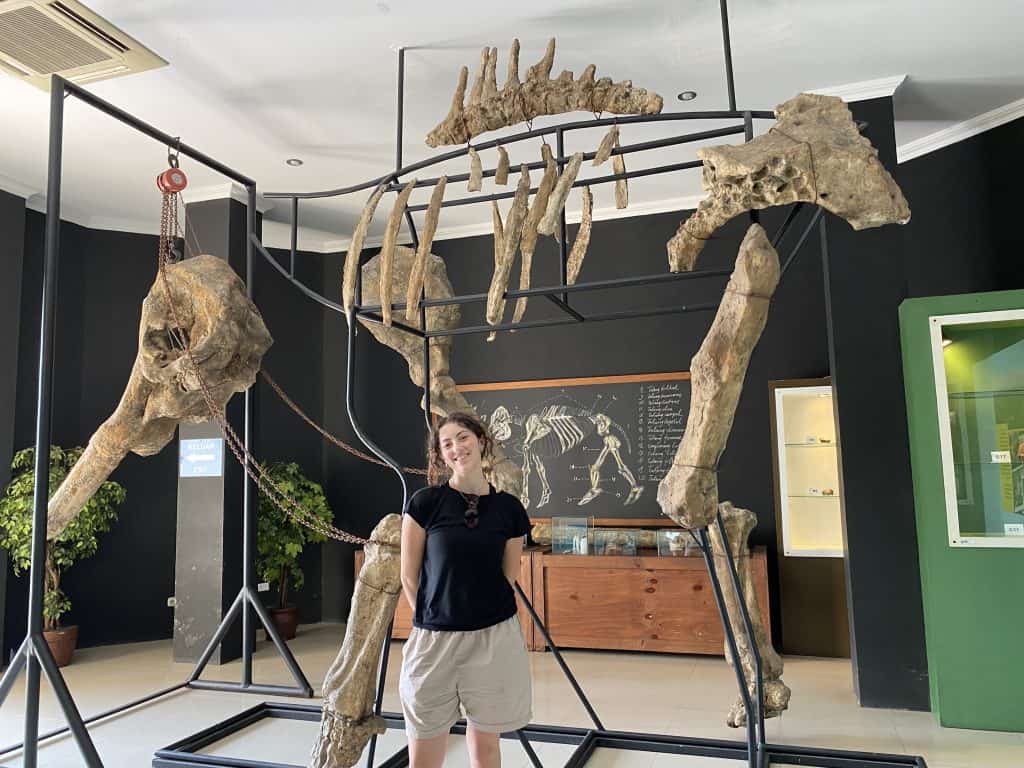
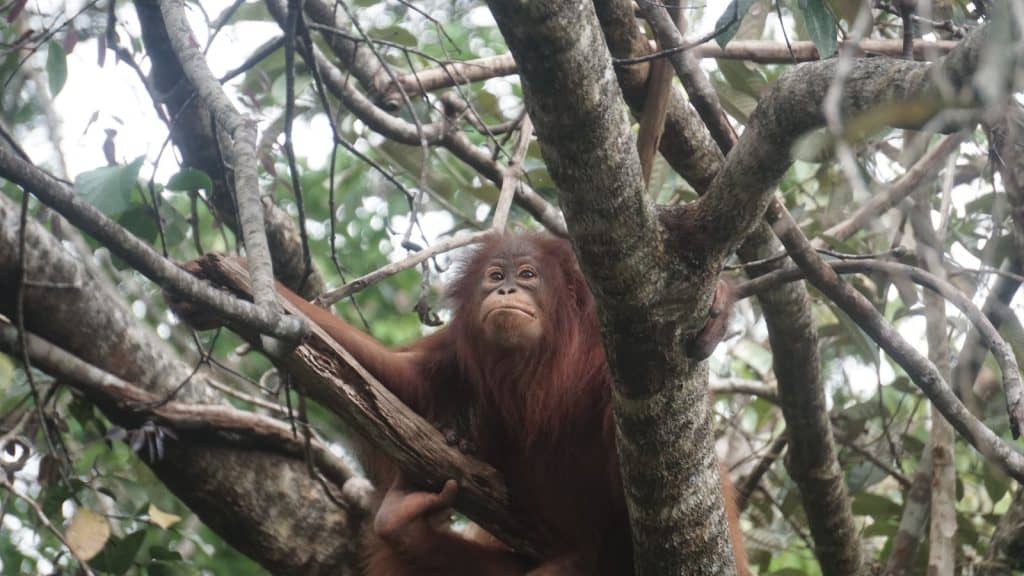
The collaboration focuses on two main areas: environmental sustainability and community development. Student placements may take place in Jakarta, Yogyakarta, Sangiran, Kalimantan, Sikka, and/or Ambon. The location of each placement is determined based on programme needs, student preferences, safety considerations, and logical feasibility.
The diversity of these locations creates opportunities for students to encounter different forms of learning. Each region has its own environmental and community characteristics. As a result, the experience gained by students is shaped not only by the activities they undertake, but also by their ability to understand the context in which those activities take place.
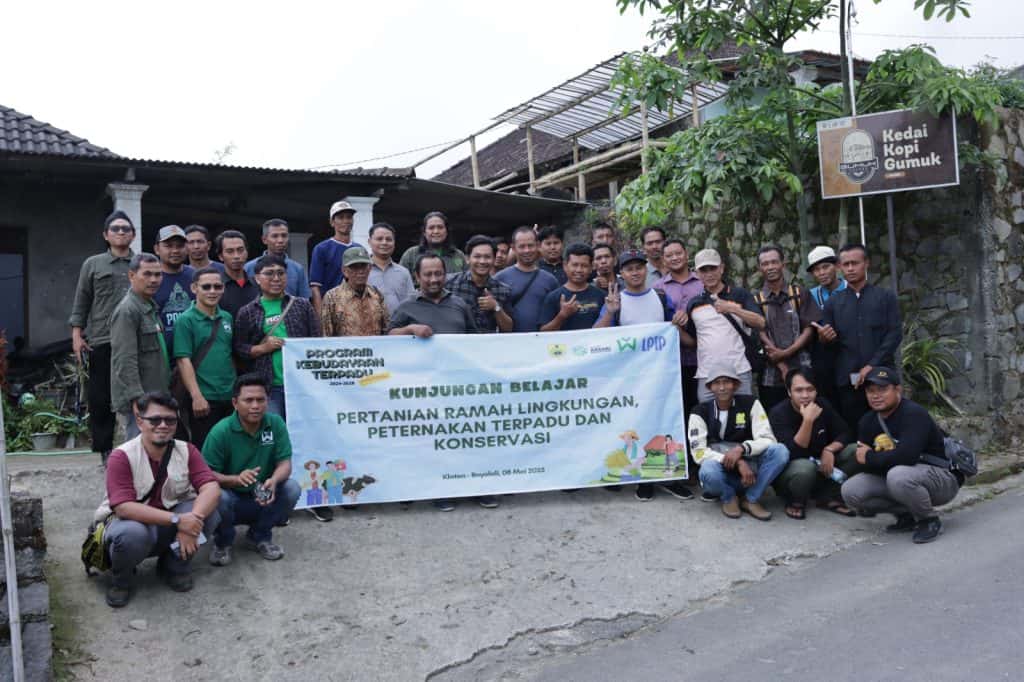
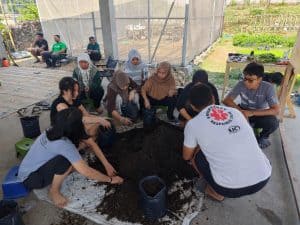
Through community development activities, students may observe how programmes interact with the needs and dynamics of local communities. Through environmental activities, they may learn how sustainability efforts are shaped by local conditions. These experiences demonstrate that social and environmental issues are closely interconnected. Geography, community life, culture, and other local factors all influence how a community responds to challenges and develops appropriate approaches.
This is where field experience becomes particularly meaningful. What students learn does not remain as knowledge about a particular place; it develops into a broader understanding of the relationship between communities, their environments, and the efforts undertaken to sustain them.
From Individual Experience to Long-Term Collaboration
The volunteer programme is designed as part of a longer-term institutional relationship. A standard placement lasts between four and six weeks, while parties anticipate the participation of one volunteer per calendar year, with the number subject to adjustment based on programme capacity and needs. This duration provides students with time to become familiar with their surroundings, adapt to the activities, build relationships with communities, and develop a deeper understanding of the work taking place.
At the institutional level, each programme implementation also forms part of an ongoing process of evaluation and learning. Scripps College is responsible for collecting and sharing student feedback to support programme development, while YAD and Wadah provide Scripps College with information regarding programme activities and progress. This process allows the experience of an individual student to contribute to a broader learning process. What is discovered and learned during a placement can inform future programme implementation while helping all three institutions consider how the collaboration can continue to develop.
In this way, a student’s participation becomes more than an individual experience. It becomes part of a process of building relationships, exchanging knowledge, and exploring forms of learning that strengthen the collaboration between YAD, Wadah, and Scripps College.
Building a Sustainable Space for Learning
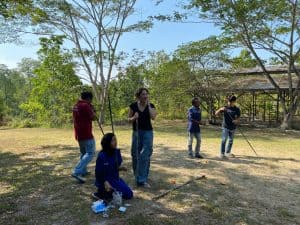
The collaboration between YAD, Wadah, and Scripps College demonstrates how education can extend beyond the classroom. Communities and the environment can become part of the learning process when academic knowledge is brought into direct conversation with lived experience.
For students, the programme offers new perspectives on Indonesian communities, environments, and cultures. For YAD and Wadah, the collaboration creates an opportunity to share their experience and establish connections with an international educational institution. For Scripps College, the programme provides students with an opportunity to apply their knowledge in real-world contexts while developing cross-cultural understanding and global competencies.
More broadly, the relationship has the potential to grow beyond a single programme and a single placement. From the experience of one student can emerge institutional knowledge exchange. From encounters between communities can come exchanges of cultural perspectives. And from relationships among academics can emerge research and shared learning with broader impact.
Ultimately, this collaboration is about more than one student travelling to Indonesia. It is an effort to create a space for learning where perspectives, experiences, and knowledge can meet.
A learning space that extends beyond the walls of the classroom—one that remains open through communities, the environment, and human connection.
Aurora Nurhidayah Rifani